Can B12 Injections Affect Periods do b12 injections affect periods Pharmacists Guide: How To Delay Your Period Safely
Introduction
If you’re wondering can B12 injections affect periods, you’re not alone—patients often notice spotting, timing changes, or heavier bleeding after starting new supplements or injections. In my pharmacy practice, I’ve seen the same pattern: people connect the injection date to cycle changes, but the real cause is usually more nuanced than “B12 directly delayed my period.” This article explains what pharmacists look for, what’s plausible biologically, what’s been observed clinically, and—most importantly—how to think about delaying periods safely without creating avoidable risks.
Quick Answer: Can B12 Injections Affect Periods?
In most people, B12 injections are not expected to directly change menstrual timing the way hormonal medications do. However, cycle changes can still happen around the time you start B12—especially if there’s an underlying deficiency, an illness, stress, medication changes, or weight/health shifts that are happening concurrently.
From my hands-on experience counseling patients, the key is distinguishing correlation from causation. When someone asks whether B12 is responsible, I typically review four buckets:
- Baseline factors: Does the person already have irregular cycles, heavy bleeding, PCOS, thyroid issues, or anemia?
- Concurrent changes: Any new meds, steroids, contraceptive changes, or recent infections?
- Correction of deficiency: Was B12 deficiency significant, and are there other deficiencies (iron, folate) involved?
- Pregnancy risk: Any chance of pregnancy when bleeding changes?
That’s why the most accurate pharmacist response is: B12 isn’t typically a direct period-delayer, but it can be part of a broader situation that affects your cycle.
How B12 Relates to Menstrual Health (What Makes Sense, and What Doesn’t)
What B12 actually does
Vitamin B12 is crucial for red blood cell production, nerve function, and DNA synthesis. When deficiency is present, your body may experience fatigue and anemia-like symptoms, and blood parameters can shift after treatment. If someone’s overall health improves, they may feel “more normal”—but that doesn’t automatically mean B12 directly changes ovulation timing or uterine lining behavior.
Why period changes can still occur around the same time
Even if B12 doesn’t directly alter hormones, several practical realities can make cycles look “linked” to injections:
- Underlying deficiency and systemic stress: Moderate-to-severe deficiencies can coexist with stressors that influence the hypothalamic-pituitary-ovarian axis.
- Other nutrient deficiencies: Iron deficiency, folate deficiency, or vitamin D issues can affect bleeding patterns and overall cycle regularity.
- Illness or recovery periods: Recent infection, inflammation, or changes in appetite and sleep can shift cycles.
- Inconsistent use of cycle-tracking hormones: If someone recently started or stopped hormonal contraception, the timing changes may be attributed to B12.
What I look for in counseling (a pharmacist’s checklist)
In consults, I focus on the bleeding pattern:
- Is it spotting vs. a full period?
- Is bleeding earlier or later than expected?
- Are there clots, significant pain, dizziness, or signs of heavy bleeding?
- Did cycle regularity exist before B12?
This matters because spotting and delayed bleeding can have different causes—from temporary hormonal fluctuations to pregnancy-related bleeding—requiring different responses.
Delaying Your Period Safely: What Works (and What to Avoid)
The title of your guidance request points to a common goal: delaying periods safely. Here’s the practical reality I’ve seen over years: safe delay typically involves hormonal strategies that affect the endometrium (uterine lining), not micronutrients like B12.
Options pharmacists commonly discuss for period delay
Depending on your medical history and current meds, clinicians may use approaches such as:
- Hormonal methods: Regimens that reduce or delay withdrawal bleeding by stabilizing the endometrium.
- Existing contraception adjustments: If you’re already on a combined hormonal method, your prescriber may advise how to handle pill-free intervals.
These options can be effective, but they require individualized suitability—especially for anyone with migraine with aura, clotting risk factors, uncontrolled hypertension, or certain other conditions.
What not to rely on
Based on pharmacy counseling patterns, people sometimes try supplements or injection timing to “force” a cycle change. That’s where risk comes in: if you delay using something unreliable, you may still get breakthrough bleeding during an event, and you may miss the chance to evaluate pregnancy or abnormal bleeding causes.
B12 injections should not be considered a period-delaying method. If you’re planning an event and need reliable control, talk with a clinician or pharmacist about evidence-based hormonal approaches that fit your situation.
When you should seek care instead of self-managing
- You could be pregnant (even if it “doesn’t feel likely”).
- Bleeding is extremely heavy (for example, soaking through protection rapidly) or you feel faint.
- Severe pelvic pain, fever, or foul-smelling discharge occurs.
- Your cycle changes dramatically and persistently after starting a new regimen.
Product Image Context: Period Delay Safety vs. Misconceptions
Many patients see advice about delaying periods online and assume that injections or vitamins can be used the same way as hormones. In my experience, this misunderstanding is one of the biggest drivers of anxiety when bleeding changes happen.
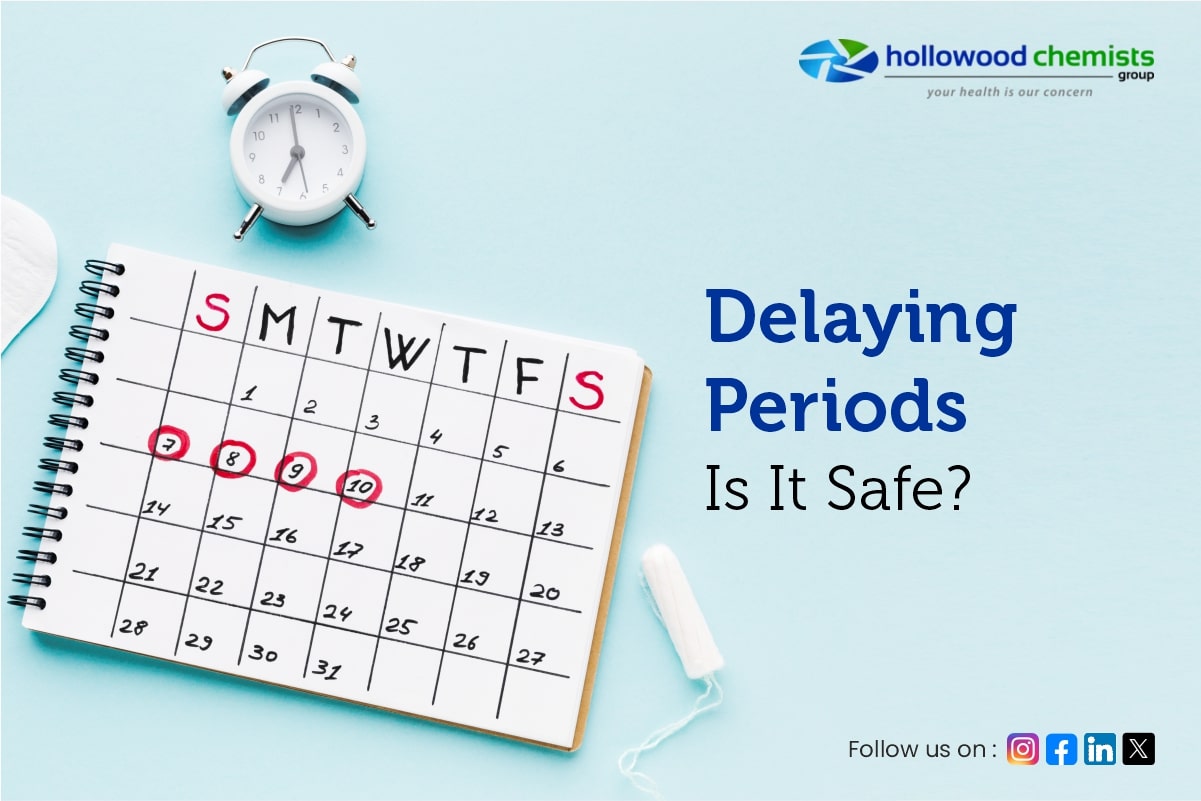
If your goal is cycle control, focus on methods designed to influence menstrual physiology directly. If your goal is treating deficiency, focus on correcting it safely—and then monitor your cycle without assuming the injection is a period trigger.
Practical Guidance: What to Do If Your Cycle Changes After B12
If you started B12 injections and noticed period changes, here’s a practical, pharmacist-style approach I’d recommend:
- Track the bleeding details for at least 1–2 cycles: start date, duration, flow (light/normal/heavy), and whether it’s spotting.
- Run the pregnancy check if there’s any chance of conception—timing changes can coincide with pregnancy-related bleeding.
- Review other changes: new medications, stress, diet changes, illness, thyroid symptoms, or contraception adjustments.
- Consider whether there are other deficiencies: if you were B12 deficient, it’s also common to check iron and folate status (your clinician can advise).
- Escalate if red flags appear: heavy bleeding, severe pain, dizziness, or persistent abnormal bleeding.
And if you’re aiming to delay a period for an upcoming event, don’t treat B12 as the plan. Ask for an evidence-based option that matches your health profile and timeline.
FAQ
How soon after starting B12 would someone notice changes in their period?
If changes happen, it’s usually within the time window of the next expected bleeding or spotting cycle. That doesn’t mean B12 directly caused the change—it often reflects other factors occurring at the same time (illness, stress, contraception changes, or baseline irregularity). Track symptoms and confirm pregnancy status if relevant.
Will stopping B12 injections fix abnormal bleeding?
Stopping may not “fix” the problem if the bleeding change is driven by another cause. If you’re having persistent or heavy bleeding, it’s better to evaluate the underlying reason with a clinician rather than relying on stopping B12 as the solution.
Is it safe to delay a period using vitamins or injections?
Non-hormonal supplements like B12 are generally not considered a reliable or intended method to delay periods. For predictable control, period delay typically involves clinician-guided hormonal strategies. If you’re planning an event, get guidance based on your medical history and timing.
Conclusion
Can B12 injections affect periods? They aren’t typically expected to directly alter menstrual timing the way hormone-based methods do. Still, cycle changes can coincide with B12 treatment due to underlying deficiency, coexisting health factors, concurrent medication changes, stress, or—importantly—pregnancy.
Next step: If you’re experiencing bleeding changes after B12, track the pattern, confirm pregnancy status if there’s any risk, and schedule a quick medication-focused check with a clinician or pharmacist—especially if you’re trying to delay a period for an upcoming event using a reliable, appropriate approach.
Discussion